1. Overall Concept & Style
The core concept is modularity and pattern. The entire unit is built from a single repeating shape—the hexagon—creating a visually captivating tessellating pattern. This approach transforms a simple storage wall into a dynamic feature wall, suitable for a high-end residence, a boutique wine shop, or a contemporary bar/restaurant.
2. Color Palette & Materials
The color scheme is sophisticated and neutral, using a two-tone approach to add depth and define the pattern.
-
Primary Colors: A deep, matte slate grey and a lighter, warm grey or “greige.” This contrast is key to the design’s visual impact.
-
Background: The unit is set against a plain off-white wall and sits on a light-colored wood-plank floor, which allows the shelving unit to be the undisputed focal point.
-
Materials:
3. Key Design Features
4. Styling & Merchandising
The arrangement of the bottles is a key part of the overall aesthetic success.
-
Grouping: Similar bottles (e.g., champagne, wine, spirits) are grouped together in individual cells. This creates a clean, organized, and curated look rather than a chaotic jumble.
-
Display as Decor: The bottles themselves—with their varied shapes, colors, and labels—become the primary decorative elements, filling the honeycomb structure with color and interest. The design proves that the product being stored can also be the decor.
Summary for Interior Designers
This piece is an outstanding example of modern, intelligent design. Key takeaways for professional application include:
-
Embrace Biophilic Geometry: Look to natural patterns like honeycombs, crystals, or cellular structures for unique and engaging design motifs.
-
Think Modular: Modular systems offer unparalleled flexibility for clients, allowing for custom fits in a wide range of spaces and budgets.
-
Use Color Blocking for Impact: Even with a simple neutral palette, using two or more tones in a thoughtful pattern can dramatically elevate a design.
-
Integrate Function and Art: The best designs often serve a practical purpose while also acting as a strong artistic statement. A storage unit doesn’t have to be just a box; it can be the centerpiece of a room.

 Cart is empty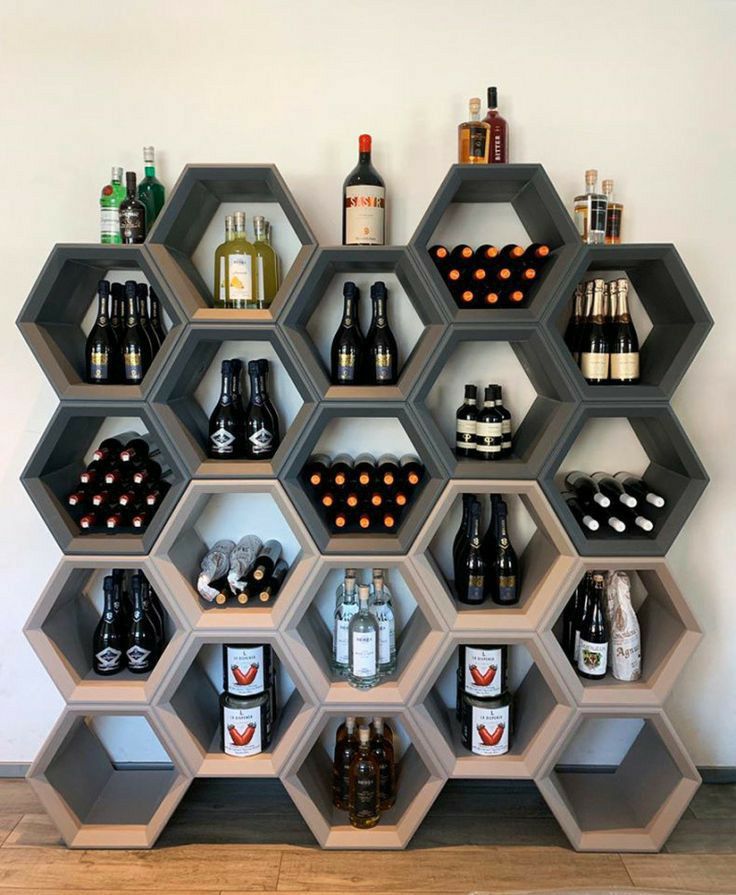


Reviews
There are no reviews yet.